 Sandy Hill Quail Hunts
A Short History of Bobwhite Quail Hunting in the South
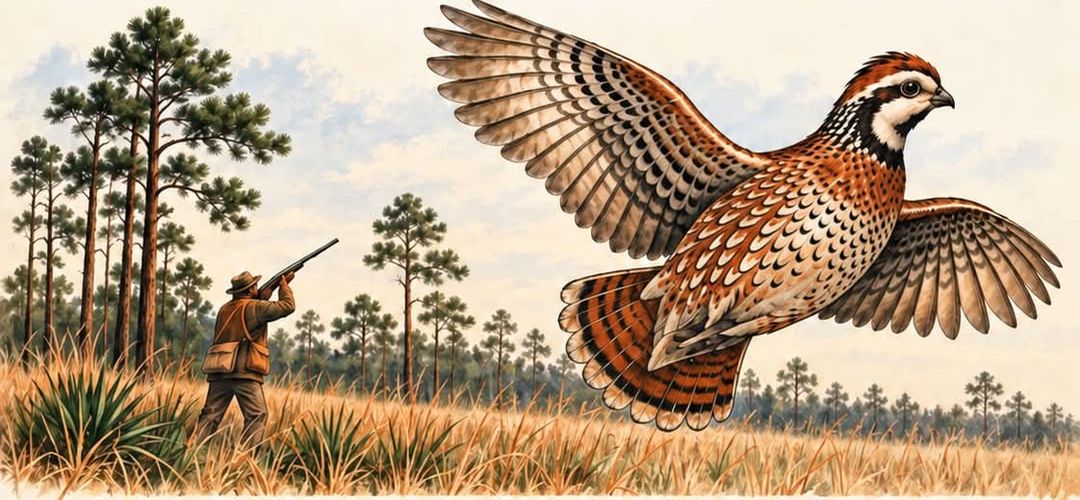
Few birds have shaped Southern sporting life like the northern bobwhite. For more than a century, this little bird has drawn hunters, dogs, and landowners to the pinewoods of South Georgia and North Florida.
The bobwhite (Colinus virginianus) gets its name from its call. On a spring morning, a male whistles a clear bob-white to draw in a hen. He stands only six or seven inches tall and weighs about six ounces. In fall the birds gather into coveys of about a dozen and roost on the ground in a circle, heads pointed out, watching every direction.
That covey habit is what makes bobwhite hunting what it is. A dog finds the birds and holds them, and then the whole covey bursts up at once. Here’s how that moment became a Southern tradition.
How the Old South Made Quail Country
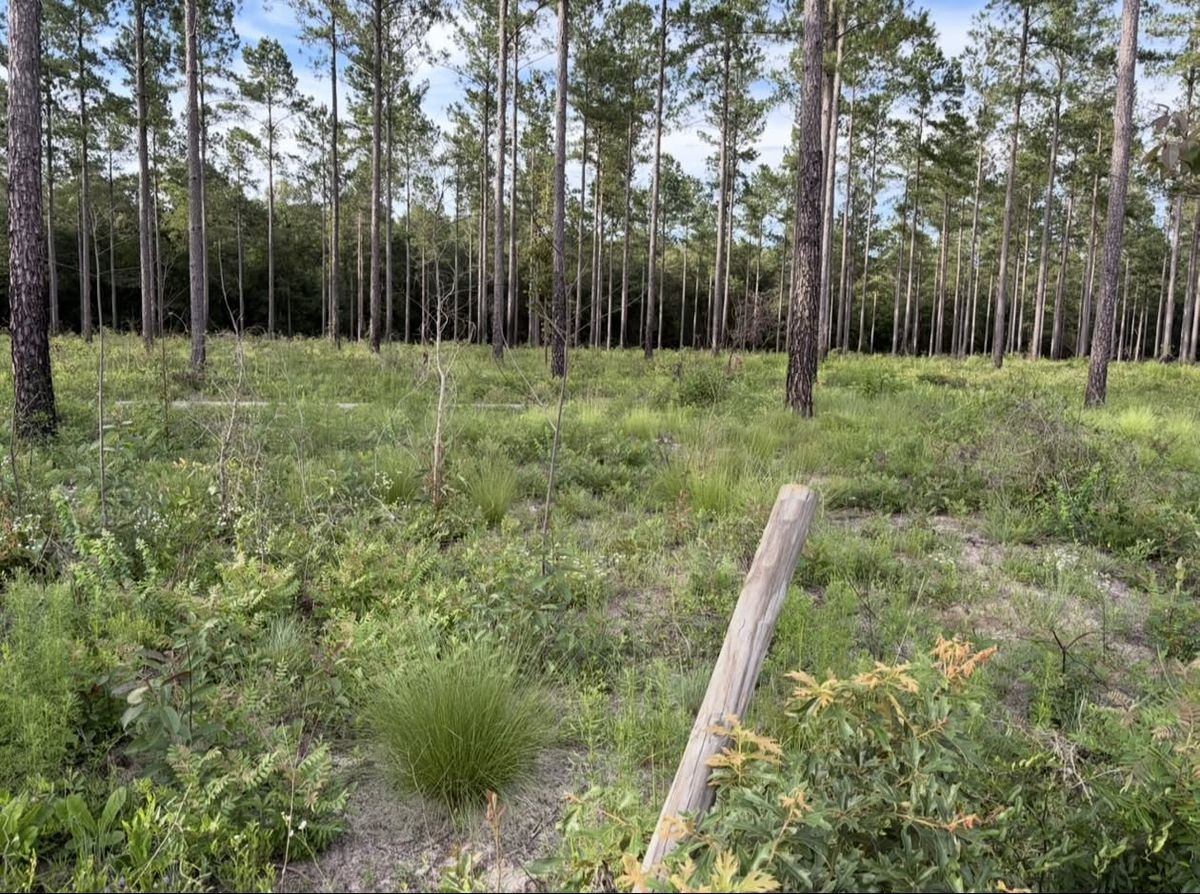
Bobwhites need what biologists call early succession habitat. That means open ground with native grasses, weeds, legumes, and brushy thickets close by for cover.
The farms of the old South supplied plenty of it. Small fields, weedy edges, and open pine woods made good homes for quail. Farmers also burned their fields and forests regularly, and that fire kept the land open. In Georgia’s Red Hills, between Thomasville and Tallahassee, the result was some of the finest quail country anywhere.
The Plantation Era
In the late 1800s, wealthy Northerners spent their winters at Thomasville’s resort hotels. When newer railroads pulled tourists farther south into Florida, many of these visitors stayed for the hunting instead.
Starting in the 1890s, families from Cleveland, New York, and elsewhere bought old cotton plantations and turned them into private winter hunting estates. Howard Melville Hanna bought Melrose Plantation in 1896 and the neighboring Pebble Hill a few months later. Other families followed, and some estates grew past 10,000 acres. They kept the word “plantation” in their names, but the land was now run for quail, horses, and sport.
By the 1920s, around 300,000 acres of Red Hills farmland had become private shooting plantations. That history is part of the region’s story, and so is the Black labor these estates depended on.
Herbert Stoddard and the Science of Fire
In the early 1920s, plantation owners grew worried that their quail numbers were slipping. In 1923 a group of them formed a committee to find out why. With help from the U.S. Bureau of Biological Survey, they hired a naturalist named Herbert Stoddard, and his study of bobwhites in South Georgia and North Florida began in 1924.
Stoddard’s answer surprised a lot of people: the land needed fire. Burning had been falling out of favor, and without it the woods grew thick and the quail suffered. He pushed to bring regular controlled burns back as a wildlife management tool.
In 1931 he published The Bobwhite Quail: Its Habits, Preservation and Increase. It became a landmark of American wildlife management. In 1958 he helped found Tall Timbers Research Station near Tallahassee, which still studies fire and quail today. Many Red Hills plantations still burn their woods regularly, and that is a big reason some of the Southeast’s best remaining longleaf pine forests survive.
Bird Dogs and Field Trials
You can’t tell the story of bobwhite hunting without the dogs. Because a covey sits tight and holds, hunters came to prize dogs that could cover a lot of ground, find the birds by scent, and freeze on point until the hunter walked up. Pointers and English Setters became the classic Southern quail dogs.
Owners also liked to test their dogs against one another in field trials. The National Championship for all-age bird dogs was first run in 1896. Since 1915 it has been held every February at Ames Plantation in Grand Junction, Tennessee, and it is still running today.
All these years later, a good dog on point is still the heart of the day.
Hard Times for Wild Birds
After World War II, the South’s countryside changed fast. Small farms gave way to big fields, exotic grasses, and tightly planted pine. Pesticide use grew, and towns spread into the woods. Each change took away the weedy, brushy cover bobwhites need.
The numbers tell the story. According to the North American Breeding Bird Survey, bobwhites across the Southeast have dropped about 60 percent since 1966. In the Red Hills, the quail harvest fell by more than three quarters by the end of the century.
The bird still has plenty of friends, though. In 1970 Georgia named the bobwhite its official state game bird. Plantations, researchers, and state programs like Georgia’s Bobwhite Quail Initiative are working to bring back the open, fire-kept habitat these birds depend on.
The Tradition Today
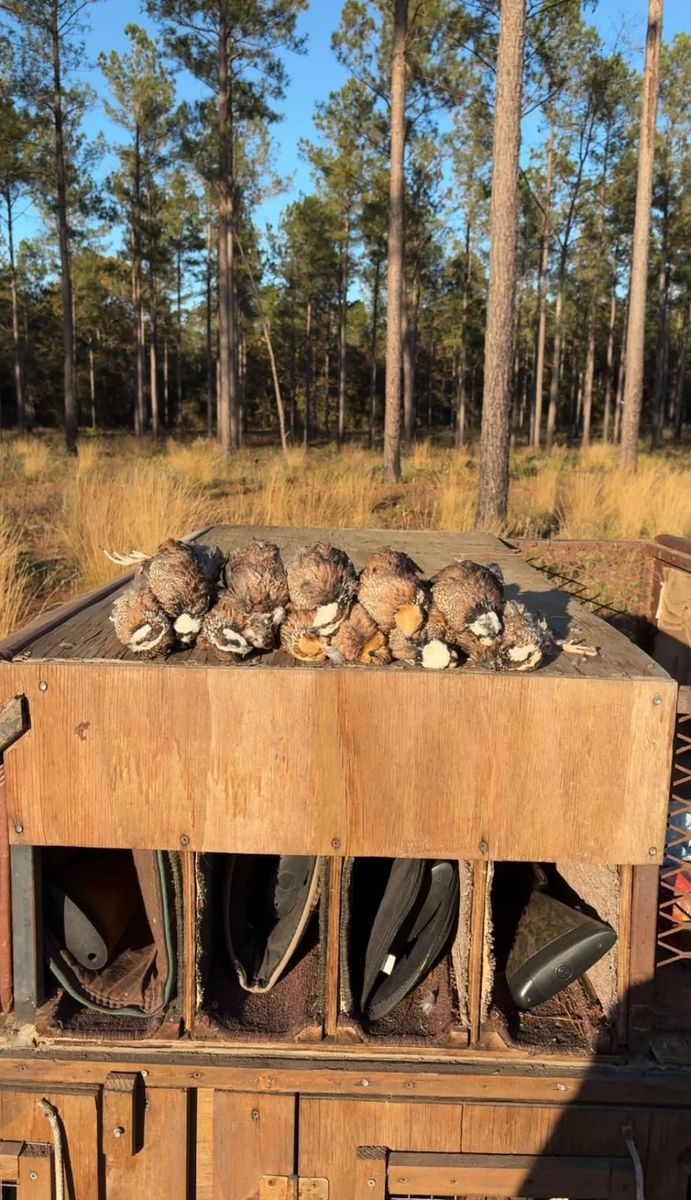
The big plantation days may be behind us, but the heart of a Southern quail hunt hasn’t changed much. You still have tall pines and wiregrass, a dog locked on point, a covey getting up all at once, and a good meal with friends afterward.
Here at Sandy Hill, just outside Bainbridge, GA, we’re proud to carry a small piece of that tradition forward. If you’d like to see it for yourself, a full day is $1,600 for 1–4 hunters, with 100 birds released and birds included. Just call or text Josiah at (229) 442-2333.
“Come hunt with us. I think you’ll be back.”— Josiah Austinson
NO EXTRA FEES. NO EXTRA CHARGES.
Sources
- Bobwhite Quail Fact Sheet, Georgia DNR Wildlife Resources Division
- Quail Hunting, New Georgia Encyclopedia
- Cleveland’s Red Hills plantations, Cleveland Historical
- Have You Met Bob?, Tall Timbers Land Conservancy
- Herbert L. Stoddard, Wikipedia
- Ames Plantation, Tennessee Encyclopedia
- Small Game Research and Management, Louisiana Department of Wildlife and Fisheries
$1,600 for 1–4 hunters · 100 birds released · Birds included
Book Your HuntQuestions first? Call or text Josiah at (229) 442-2333.